

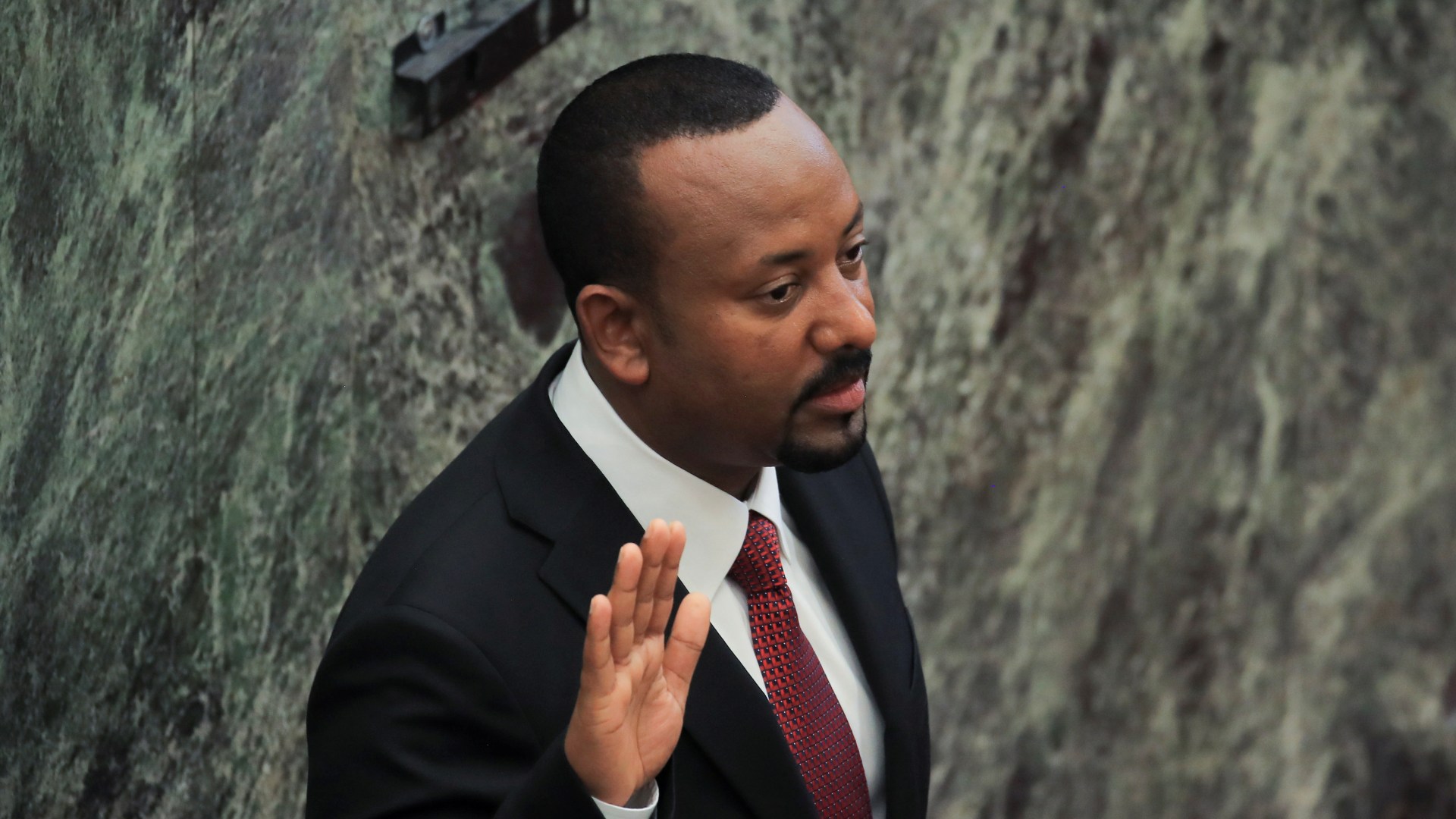
Ethiopian Prime Minister Abiy Ahmed is reportedly seeking constitutional changes that would transform the country’s political system and pave the way for him to become the first president of the Federal Government of Ethiopia with extensive executive powers.
Under the proposed changes, the president would be directly elected and could serve a maximum of two six-year terms, significantly changing the current parliamentary system in which executive authority is centred on the prime minister.
The proposed reforms would also remove Parliament’s role in appointing the prime minister, a position that currently holds greater executive authority than the Ethiopian presidency.
The move is reportedly part of a broader constitutional reform agenda being pursued by Abiy’s administration. The proposed changes have already generated debate, particularly over provisions affecting the powers and autonomy of Ethiopia’s regional states.
Among the reported reforms is the removal of the constitutional provision that has been interpreted as giving Ethiopia’s nations, nationalities and peoples a right to self-determination, including secession. The change could significantly alter the existing federal arrangement and the relationship between the central government and regional administrations.
The developments have also been linked to remarks Abiy made within his Prosperity Party in July 2026, when he reportedly called for limits on the duration of political leadership in Ethiopia and suggested that individuals should be restricted to two terms in office.
Further indications emerged on August 13, when some participants in Ethiopia’s ongoing National Dialogue reportedly recommended replacing the parliamentary system with a presidential system similar to those adopted by numerous countries around the world.
If implemented, the proposed reforms would represent one of the most significant changes to Ethiopia’s political structure since the adoption of the current federal Constitution.
They could substantially strengthen the presidency while reducing the political influence of Parliament and changing the distribution of power between the federal government and Ethiopia’s regional states.
However, the proposed constitutional changes are likely to face political scrutiny and debate, particularly over concerns about the concentration of executive power and the future of Ethiopia’s federal system.
The reforms could ultimately determine whether Ethiopia moves from its current parliamentary model towards a presidential system, potentially giving Abiy Ahmed a new political role with considerably greater constitutional powers.
Mustaqbal
