

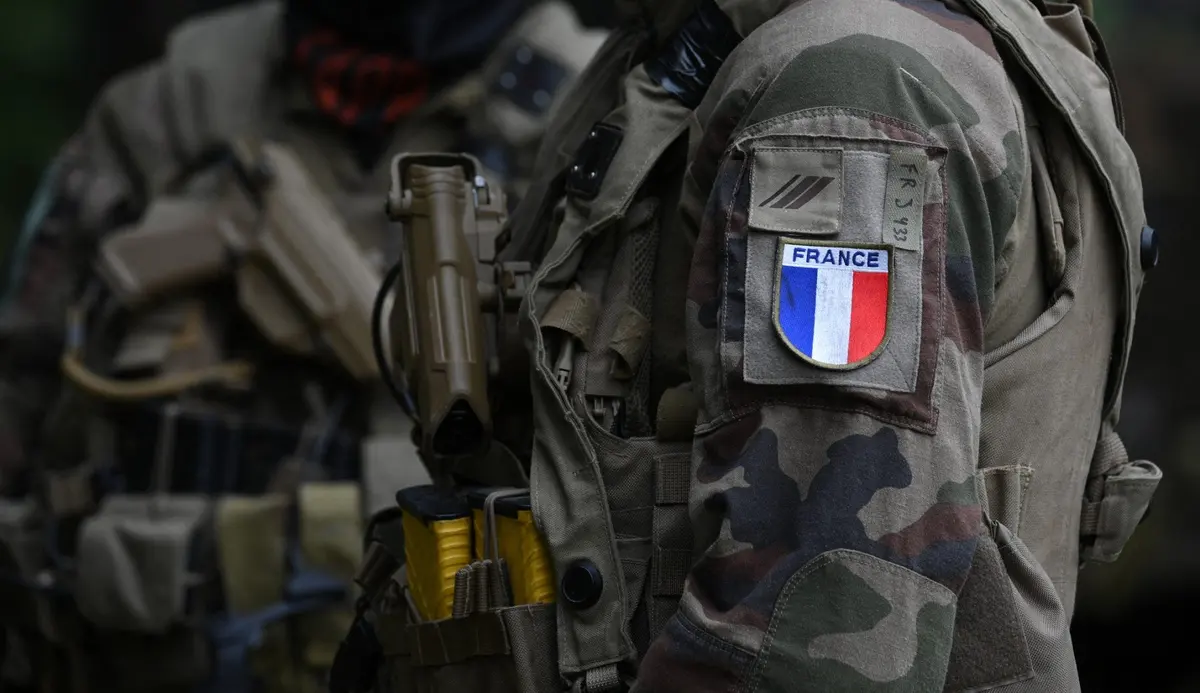
Ivory Coast has become the latest African country to announce the withdrawal of French military forces, intensifying speculation about the future of France’s presence in Djibouti, its most significant military hub in Africa.
President Alassane Ouattara confirmed on Tuesday that French troops in Côte d’Ivoire would begin their withdrawal this month. The nfantry Battalion base in Abidjan will be handed over to the Ivorian Armed Forces. This development follows similar moves by Mali, Burkina Faso, Niger, Chad, and Senegal, which have all expelled French troops in recent years amid growing anti-French sentiment.
Impact on Djibouti’s French Military Base.
Djibouti currently hosts France’s largest military base in Africa, a strategic location near the Red Sea and key international shipping routes. As France’s influence wanes in West Africa, questions arise about whether Djibouti will follow the trend of reducing or removing foreign military footprints.
While Djibouti has not indicated plans to terminate its military agreement with France, the shifting dynamics across Africa could influence its long-term decisions. Analysts suggest that Djibouti may seek to recalibrate its foreign relations in light of increasing competition from other global powers, including China, the United States, and Japan, which also maintain bases in the country.
France’s Declining African Footprint.
The withdrawal from Côte d’Ivoire, where 600 French troops were stationed, underscores the continued erosion of France’s post-colonial influence in Africa. Senegal has also confirmed that French forces will leave its territory by the end of 2025, reducing France’s military presence in the region to a fraction of its former size.
In the wake of these departures, France’s base in Djibouti has gained renewed attention as its last major outpost in Africa. The base has been vital for France’s strategic interests in East Africa and the Arabian Peninsula, but its future is uncertain amid Africa’s growing assertion of sovereignty and diversification of partnerships.
What’s Next for Djibouti?
As African nations like Côte d’Ivoire modernize their armed forces and seek alternative alliances, the pressure may mount on Djibouti to reconsider its own military agreements with France. Whether Djibouti chooses to maintain its longstanding relationship or pivot to other international partners could significantly impact France’s ability to project power in the region.
This latest shift in Côte d’Ivoire reflects a broader rebalancing of power on the continent, with implications that extend far beyond West Africa and into the geopolitical landscape of the Horn of Africa.
Mustaqbal
